Marriage counselling is a valuable tool for couples facing challenges in their relationship. Whether you’re dealing with communication issues, trust problems, or growing emotional distance, counselling offers a safe space to work things through.
But what does marriage counselling do, exactly? In this guide, we’ll break down the process, clarify how it works, and help you understand what to expect in your first session.
From the most common therapy techniques to the difference between marriage counselling and couples therapy, this article is here to support your decision-making and help you take the first step toward a healthier, stronger relationship.
What Is Marriage Counselling?
Marriage counselling is a type of professional therapy designed to help couples work through relationship challenges in a safe, structured, and guided environment.
In Singapore, it’s often sought by couples going through difficult periods, be it emotional disconnection, recurring arguments, infidelity, parenting stress, or even cultural and family pressures.
At its core, marriage counselling provides a neutral space where both partners can express themselves honestly and listen to one another with the support of a trained professional.
The counsellor doesn’t take sides but instead helps both individuals understand each other’s perspectives and uncover the deeper issues beneath surface-level conflicts.
Many couples in Singapore seek counselling when communication starts to break down or when problems feel too overwhelming to resolve on their own.
For others, counselling is a proactive step, used to strengthen a relationship before marriage (known as premarital counselling) or to improve an already stable relationship.
Some couples turn to counselling during major life transitions, such as moving in together, becoming parents, or managing work-life stress in Singapore’s fast-paced environment.
Counsellors may use different therapeutic approaches, depending on the couple’s needs. These include emotionally focused therapy, cognitive behavioural methods, and communication exercises.
Sessions are typically held by licensed marriage and family therapists, psychologists, or counsellors registered under professional bodies such as the Singapore Association for Counselling (SAC) or Association of Psychotherapists and Counsellors Singapore (APACS).
Ultimately, marriage counselling isn’t about assigning blame or winning arguments, it’s about helping couples reconnect, manage conflict, and make informed choices about the future of their relationship.
Marriage Counselling vs. Couples Therapy: What’s The Difference?

Although the terms marriage counselling and couples therapy are often used interchangeably in Singapore, they’re not exactly the same, and understanding the difference can help you choose the right kind of support for your relationship.
Marriage counselling typically focuses on helping couples address present-day issues within the context of a committed or marital relationship. It’s often short-term and goal-oriented, aiming to resolve specific challenges such as financial disagreements, intimacy concerns, or parenting styles.
Marriage counsellors in Singapore often work within community centres, religious institutions, or private practices, and many are trained to support both married and soon-to-be-married couples.
On the other hand, couples therapy tends to take a deeper and often more therapeutic approach. It may explore unresolved past traumas, individual mental health issues, or long-standing patterns that are affecting the relationship.
While marriage counselling might focus on improving day-to-day communication or decision-making, couples therapy digs into the emotional roots of relationship struggles and may span a longer period.
The right fit often depends on your relationship goals. If you’re looking for practical tools to resolve current issues, marriage counselling may be suitable.
If you and your partner are dealing with deeper emotional wounds, repeated patterns of conflict, or individual issues spilling into the relationship, couples therapy could offer the insight and long-term support you need.
Regardless of the label, both approaches aim to improve relationship health and help couples move forward with clarity, empathy, and mutual respect.
How Does Marriage Counselling Work? 12 Techniques Therapists Use

Marriage counselling in Singapore isn’t a one-size-fits-all process. Therapists use a variety of approaches tailored to each couple’s unique challenges and relationship dynamics.
These techniques aim to rebuild trust, improve communication, and support emotional reconnection. While some methods are more structured, others are flexible and exploratory, allowing both partners to unpack deeper issues at their own pace.
Here’s a breakdown of the most widely used marriage counselling techniques practised by professionals in Singapore:
1. Emotionally Focused Therapy (EFT)
Emotionally Focused Therapy (EFT) is one of the most effective and research-backed approaches in modern relationship counselling. It focuses on helping couples recognise and shift negative patterns of emotional response, usually those that lead to disconnection, arguments, or withdrawal.
EFT works by identifying attachment needs and vulnerabilities, which often lie beneath surface-level issues like nagging or emotional distance.
For example, one partner may shut down during conflict not out of apathy, but out of fear of rejection. EFT helps bring those underlying fears and unmet needs to light, allowing couples to connect on a deeper emotional level.
Many therapists in Singapore use EFT to support couples who feel like they’re drifting apart or repeating the same arguments without resolution. The process usually unfolds in phases: first de-escalating negative cycles, then restructuring interactions, and finally reinforcing secure emotional bonds.
2. The Gottman Method
Developed by Drs John and Julie Gottman, this approach is based on decades of research into what makes relationships succeed or fail. The Gottman Method is especially popular among counsellors in Singapore for its structured and practical framework.
Therapists using this method assess the couple’s relationship using the “Sound Relationship House” theory, which covers essential areas like trust, commitment, emotional intimacy, and conflict resolution.
Couples are guided through exercises that build fondness and admiration, turn towards each other during times of stress, and improve how they handle disagreements.
A key element is the “Four Horsemen” concept, which identifies four communication behaviours that can predict relationship breakdown: criticism, contempt, defensiveness, and stonewalling. The counsellor helps the couple recognise when these behaviours arise and replace them with healthier alternatives.
The Gottman Method is ideal for couples in Singapore who value structure, tools they can apply at home, and evidence-based solutions for ongoing relationship issues.
3. Cognitive Behavioral Therapy (CBT)

CBT is widely known for treating anxiety and depression, but it also has strong applications in marriage counselling. In a relationship setting, CBT helps partners identify and challenge irrational or unhelpful thought patterns that negatively impact their behaviour and interactions.
For instance, if one partner often thinks “my spouse never listens to me,” they may start acting resentfully, which in turn leads to tension. CBT helps reframe such thoughts and encourages more balanced perspectives like “we’ve struggled to communicate lately, but we’re both trying.”
Singaporean therapists trained in CBT often use worksheets and reflection activities to help couples become more aware of how their beliefs shape their reactions. The focus is on promoting behavioural change by addressing cognitive distortions, fostering empathy, and building healthier communication habits.
This technique is especially effective for couples where stress, anxiety, or perfectionism is influencing their relationship in negative ways.
4. Imago Relationship Therapy
Imago Therapy is based on the idea that we’re often drawn to partners who reflect both the positive and painful aspects of our early childhood experiences. These unconscious connections can lead to intense bonding, but also unresolved conflict.
In Singapore’s multicultural society, where different upbringings and family values often come into play, Imago Therapy helps partners explore how their past shapes their expectations in love.
For example, someone raised in a family where emotions were rarely discussed might struggle with emotional openness in adulthood.
During sessions, the therapist guides couples through structured dialogues, such as the “Imago Dialogue,” where one partner speaks while the other listens, mirrors, validates, and empathises, without interrupting. This practice deepens understanding and reduces defensiveness.
Imago encourages couples to view conflict as an opportunity for growth and healing. It’s particularly powerful for those who feel unheard, misunderstood, or emotionally distant but still deeply committed to rebuilding their relationship.
5. Solution-Focused Brief Therapy (SFBT)
SFBT is a short-term counselling approach that prioritises the present and future over the past. Rather than digging into deep-rooted issues, therapists using SFBT help couples identify what’s working and how to build on those strengths.
This method is particularly suited to busy couples in Singapore who want focused, practical support without committing to long-term therapy. It’s also ideal for those dealing with specific problems, such as decision-making around parenting, dealing with in-laws, or balancing work and family life.
In sessions, the counsellor may ask questions like, “What would be different if this problem were solved tomorrow?” or “Can you remember a time things felt better between you?” These questions shift the focus from blame to possibility.
By highlighting small successes and encouraging couples to set clear, achievable goals, SFBT empowers partners to create meaningful change without feeling overwhelmed.
6. Narrative Therapy
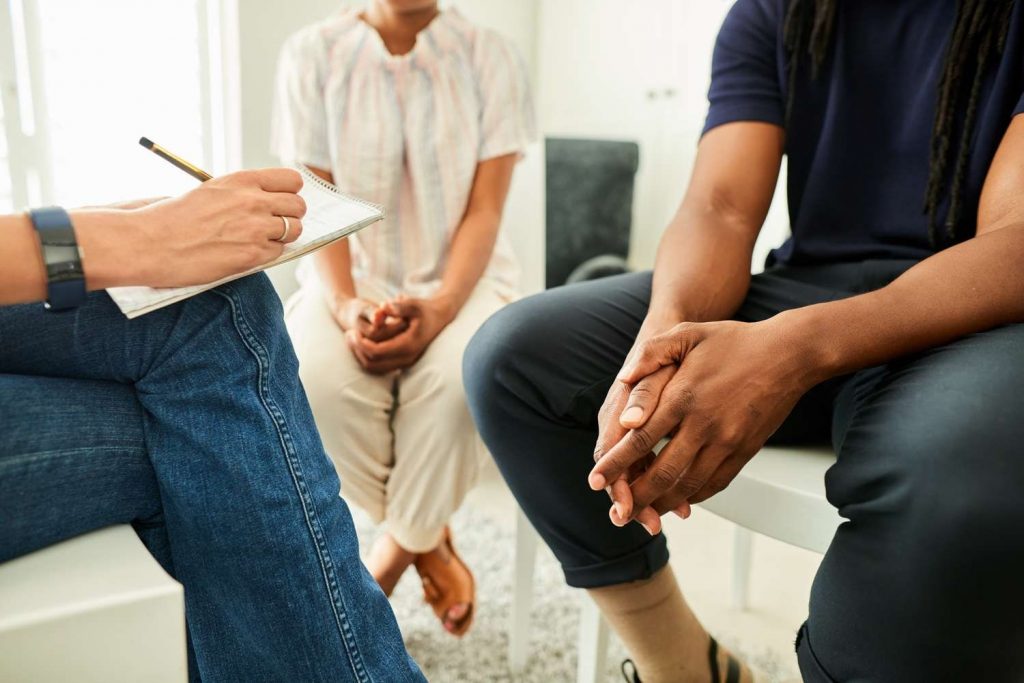
Narrative Therapy is rooted in the idea that the stories we tell ourselves shape how we view our relationship. In this approach, couples are encouraged to step back and examine the narrative they’ve developed about each other, the relationship, and recurring conflicts.
Instead of saying, “Our marriage is broken,” partners are guided to externalise the problem, seeing it as something they can face together, rather than as a flaw within one another.
For example, a couple constantly arguing about money might begin to view “financial stress” as the challenge they’re both fighting, instead of blaming each other.
This shift in perspective allows couples in Singapore, especially those under societal, cultural, or financial pressure, to reframe their struggles and focus on collaborative solutions.
The therapist helps identify strengths and preferred outcomes, allowing partners to “rewrite” their relationship story in a way that’s empowering and forward-looking.
7. Mindfulness & Emotional Regulation
In a fast-paced city like Singapore, it’s easy for stress to spill over into relationships. Mindfulness techniques and emotional regulation strategies are used in counselling to help couples slow down, stay present, and manage strong emotional reactions.
These practices teach partners to recognise their emotional triggers, pause before reacting, and express themselves calmly during heated moments. For example, instead of yelling in frustration, one partner might learn to take a few deep breaths and express how they feel more constructively.
Counsellors may introduce grounding exercises, breathing techniques, or body awareness tools that couples can use both during and outside sessions.
This is especially helpful for couples dealing with anger, anxiety, or recurring conflicts. With regular practice, mindfulness improves patience, empathy, and emotional safety within the relationship.
8. Active & Reflective Listening
Many couples think they’re listening to each other, but in reality, they’re just waiting for their turn to speak. Active and reflective listening is a skill that helps couples truly understand what the other is trying to say.
In counselling, the therapist guides partners through exercises that involve paraphrasing, clarifying, and reflecting back what was heard. This ensures each person feels heard and validated, even if they don’t fully agree with each other’s point of view.
For example, instead of replying defensively to “You never spend time with me,” a partner might respond, “It sounds like you’re feeling lonely and would like us to connect more.” This form of listening reduces defensiveness and opens the door to empathy and collaboration.
In multicultural households or mixed-language marriages, which are common in Singapore, this technique is especially useful for bridging communication gaps and strengthening emotional connection.
9. Tracking Patterns & Circular Questions

Every relationship develops patterns over time, some helpful and others damaging. Therapists often use tools like tracking patterns and circular questioning to help couples notice how they react to each other in predictable cycles.
For instance, if one partner shuts down when the other raises concerns, the cycle may involve avoidance followed by emotional outbursts.
By tracking these interactions, couples begin to recognise their roles in repeating conflicts. Circular questions, such as “What do you think your partner feels when you walk away?”, encourage each person to step into the other’s shoes.
This approach is especially insightful for couples who feel “stuck” or like they’re having the same argument repeatedly. Once patterns are identified, the therapist works with the couple to disrupt unhelpful cycles and replace them with more constructive responses.
10. Role-Playing, Homework & Behavioral Assignments
In marriage counselling, insight is only the first step, lasting change comes from action. That’s where role-playing, take-home assignments, and behavioural tasks come in.
Therapists may simulate real-life situations during sessions (like how to manage a disagreement about chores) and guide the couple through healthier communication techniques.
Outside the session, couples may be asked to complete tasks such as journaling, scheduling quality time, or practising “I” statements instead of blame.
These activities help couples in Singapore apply what they’ve learned in therapy to their daily lives, be it in their HDB flat, during family dinners, or amid work-related stress. Practising new habits consistently helps reinforce positive behaviours and build confidence in handling future challenges.
11. Integrative Behavioral Couples Therapy (IBCT)
IBCT blends traditional behavioural strategies with emotional acceptance work. The approach focuses on two main goals: helping couples change behaviours that lead to conflict and teaching them to accept aspects of each other that are less likely to change.
For instance, one partner may be habitually late, while the other values punctuality. Instead of constantly arguing about the issue, IBCT helps the couple explore the emotional impact behind it, perhaps the punctual partner feels unappreciated, while the other feels criticised.
By addressing both the emotional undercurrent and the outward behaviour, IBCT promotes understanding and collaboration. This technique is highly effective for long-term couples in Singapore who feel emotionally disconnected but are still committed to improving their partnership.
12. High‑Impact / Intensive Therapy
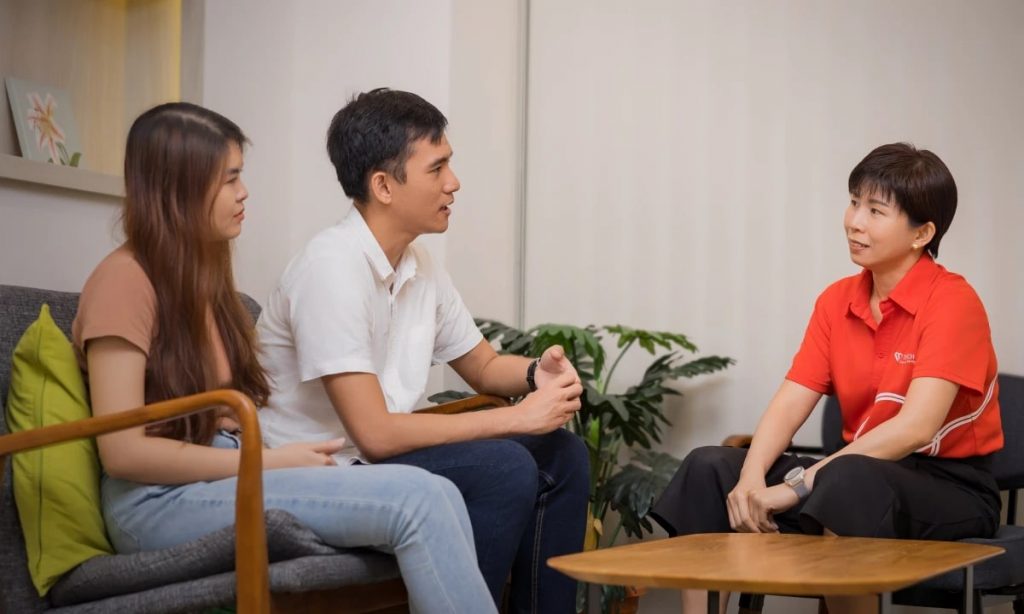
Some couples don’t have the luxury of slow, weekly sessions, especially when facing crises like infidelity, separation threats, or major life transitions. High-impact or intensive therapy offers a fast-track format, often delivered over half-day or full-day blocks.
These sessions are focused, emotionally charged, and designed to achieve breakthrough insights in a short time. Couples can expect deep dives into their relationship history, structured conflict resolution, and guided healing exercises, all within one or two days.
This format is ideal for couples in Singapore balancing tight schedules, or for those flying in from overseas to work with a specific therapist. It’s also common among couples who feel they’re at a make-or-break point and need clarity or closure quickly.
While intense, these sessions are carefully paced by the therapist to avoid emotional overwhelm. They often include follow-up plans or referrals for continued support, ensuring that progress doesn’t stop when the day ends.
What To Expect In Your First Marriage Counselling Session
Starting marriage counselling can feel intimidating, especially if it’s your first time. In Singapore, couples often walk into their first session not knowing what to expect. The good news is, the first session is designed to ease you in, help both partners feel heard, and lay the foundation for future progress.
Your therapist will guide the conversation with empathy and structure, so you won’t have to worry about “saying the right thing.” Instead, the focus is on understanding the relationship dynamic, what brought you to counselling, and how therapy can support both of you moving forward.
Here’s what typically happens during that initial session:
Know the Structure: Joint Intake + Individual Check-ins
Most therapists in Singapore begin with a joint session where both partners are present. This is usually a semi-structured intake conversation where the counsellor will ask questions like: “What brought you here today?” or “What have you both been struggling with recently?”
After the joint discussion, it’s common for the therapist to schedule short individual check-ins with each partner. These are private and allow each person to speak openly about their personal experiences, concerns, or deeper thoughts they might not yet feel ready to share in front of their spouse.
This format helps the therapist get a balanced perspective and understand both sides of the relationship without judgement. It also ensures that each partner’s voice is acknowledged, which builds trust in the therapeutic process.
Share Your Story & Past
The first session isn’t just about the current problems, it’s also about context. Therapists typically invite couples to share how the relationship began, what attracted them to each other, and what major events have shaped their journey together.
This might include happy milestones like marriage or having children, but also painful chapters such as betrayals, emotional disconnection, or major life stressors.
In Singapore, where cultural expectations and family involvement can sometimes play a significant role in a relationship, discussing background details is especially important.
For example, if there’s tension involving in-laws, work-life balance, or housing challenges, these can be critical to understanding what’s really going on.
By piecing together your story, the therapist gains insight into recurring patterns and emotional wounds that may still be unresolved. More importantly, it helps the couple reflect on both their struggles and the strengths they’ve shared.
Set Goals Together

After learning more about your relationship, your therapist will guide you through setting shared goals. These aren’t vague wishes like “we just want to be happy again”, they’re specific, measurable outcomes that can give therapy structure and direction.
In Singapore, couples often come to counselling with goals such as improving communication, rebuilding trust after infidelity, finding agreement on parenting approaches, or simply learning how to argue less and connect more.
You’ll be encouraged to think about what “success” would look like for both of you. Do you want to feel more emotionally connected? Handle conflict more calmly? Improve physical intimacy? The therapist helps turn these intentions into practical goals that can be worked on session by session.
Goal-setting also keeps both partners accountable and invested in the process. It allows the therapist to tailor strategies and track progress as therapy unfolds.
Clarify Communication & Confidentiality Rules
Clear boundaries are essential in any therapeutic setting, and your first session will cover the ground rules. The therapist will explain what confidentiality means, what stays between the three of you, and when it might need to be broken (such as in cases of harm, abuse, or legal obligations).
They’ll also talk about how communication works during sessions. Each partner will be given space to talk without interruptions. The therapist may help enforce respectful turn-taking and pause the session if tensions rise.
This part of the session is especially important for couples in Singapore who may come from different cultural or communication backgrounds. Clarifying expectations from the beginning sets the tone for a respectful, emotionally safe space throughout the counselling journey.
Bring Openness, And Plan To Interview The Therapist
The first session isn’t just about the therapist learning about you, it’s also your chance to decide if the therapist feels like the right fit for your relationship. It’s perfectly fine to ask questions such as:
- “What’s your approach to counselling?”
- “Have you worked with couples facing similar issues?”
- “What can we expect in future sessions?”
Coming to counselling with openness doesn’t mean you have to pour everything out in the first hour. It simply means being willing to engage in honest dialogue and to try something different. Some couples feel relief after the first session, while others may feel raw or exposed, and both are completely normal.
In Singapore, where seeking help for relationship issues is still seen by some as a last resort, it’s important to reframe counselling as an act of strength, not weakness. Approaching the session with curiosity and commitment can set a powerful tone for the healing process ahead.
Conclusion About Marriage Counselling
Marriage counselling is more than just a place to vent frustrations, it’s a structured, evidence-based process that helps couples unpack complex emotions, repair broken trust, and rebuild stronger communication patterns.
As you’ve seen, therapy isn’t just for couples on the brink of separation. It’s a proactive step that many take to strengthen their relationship and prevent issues from escalating.
The techniques therapists use, from emotionally focused therapy to mindfulness and communication exercises, are designed to create meaningful, long-lasting change.
Help is available, and you don’t have to face relationship struggles alone. If your concerns extend beyond emotional distance and into possible infidelity or hidden behaviours, it may be time to consider professional investigative support.
Contact CatchCheating, Singapore’s Top Private Investigators, for discreet, accurate, and legally compliant investigations. Whether it’s uncovering marital infidelity, verifying suspicions, or gathering hard evidence for family or commercial cases, we’re equipped with the tools and global network to get results.
From local surveillance to overseas assignments, in-house counselling to legal counsel, our licensed and experienced team has over 30 years of proven expertise. Put your mind at ease and make informed decisions with the truth on your side.
Visit CatchCheating today to speak with a trusted private investigator in Singapore.
Frequently Asked Questions About Marriage Counselling
Can Marriage Counselling Help If Only One Partner Wants To Attend?
Yes, individual sessions can still be beneficial. A counsellor can help one partner explore relationship patterns, improve communication skills, and gain clarity, even if the other partner is not involved.
Where Do Marriage Counselling Sessions Usually Take Place?
Marriage counselling can happen both in person and online, depending on your preference and the therapist’s setup. Many counsellors now offer flexible virtual sessions for convenience and accessibility.
When Is The Right Time To Start Marriage Counselling?
The best time to start is before major problems arise. Counselling can be preventative, helping couples strengthen communication and resolve small issues early on.
Do Marriage Counsellors Ever Give Personal Advice Or Tell You What To Do?
Marriage counsellors guide rather than give direct advice. Their role is to facilitate understanding and help couples make informed decisions together, not dictate outcomes.
Can Marriage Counselling Help Improve Co-Parenting Even If The Relationship Ends?
Yes, counselling can support separated couples in building respectful, consistent co-parenting strategies. It helps reduce conflict and prioritise the well-being of the children involved.