Quick Answer: To support a divorce petition on adultery grounds in Singapore, you need proof that sexual intercourse took place between your spouse and a third party. Acceptable adultery evidence includes private investigator surveillance reports, hotel records, digital communications that explicitly acknowledge a sexual relationship, or photographic evidence collected lawfully. Courts require corroborating proof, not suspicion alone.
If you believe your spouse has been unfaithful and you are considering divorce, one of the first questions you will face is what evidence you actually need. The word “adultery evidence” sounds straightforward, but the legal standard in Singapore is specific, and gathering the wrong kind of proof, or gathering it the wrong way, can weaken your case significantly.
Singapore divorce law allows adultery as a ground for divorce under the Women’s Charter, but the burden of proof lies with you. You must demonstrate, on the balance of probabilities, that your spouse committed adultery. That requires more than suspicion, screenshots of suspicious messages, or a gut feeling built up over months of distance and unexplained absences.
This guide covers what counts as evidence of adultery in Singapore courts, how to collect it legally, and what role a professional investigator plays in building a case that holds up.
What Counts as Evidence of Adultery in Singapore
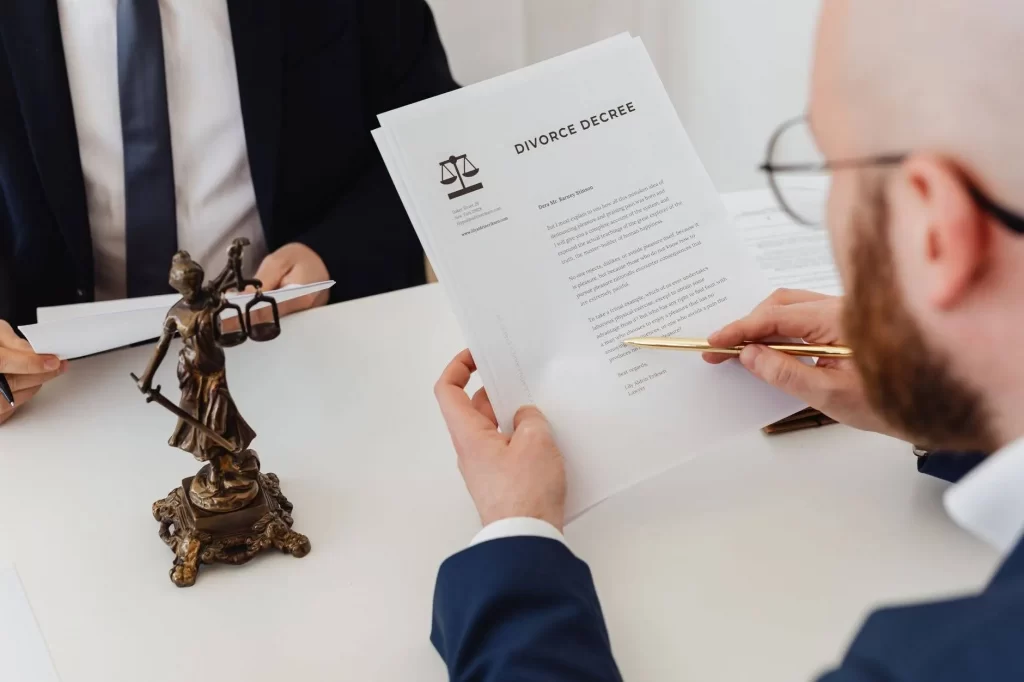
Courts in Singapore do not require you to produce a video of the act itself. What they require is a reasonable inference that adultery took place, supported by credible corroborating evidence. Circumstantial evidence, when it is direct and specific, can satisfy this standard.
Surveillance reports from a licensed private investigator. A professionally prepared surveillance report documenting your spouse entering and remaining at a location with a third party overnight, or during a time period that supports the inference of sexual intercourse, carries significant weight. Licensed investigators in Singapore produce reports formatted for court use, with timestamped photographs and a factual narrative that avoids speculation.
Hotel and accommodation records. Proof that your spouse checked into a hotel room with a third party is strong corroborating evidence, particularly when combined with surveillance photographs of them entering and exiting together. These records are typically obtained through a private investigator rather than directly.
Digital communications. WhatsApp messages, emails, or other written exchanges that explicitly acknowledge a sexual relationship are admissible. Messages that imply intimacy but do not explicitly state it are weaker on their own but can corroborate other evidence.
Admission of adultery. If your spouse has admitted to the affair in writing, whether in a text message, an email, or a formal letter, this is direct evidence. An in-person admission without a written record is harder to rely on in court.
Photographs and videos. Images of the spouse with the third party in intimate circumstances support the inference of adultery. They must have been taken legally, meaning not through illegal surveillance methods.
How to Gather Strong Evidence for Adultery Without Breaking the Law
One of the most common mistakes people make when trying to gather evidence of adultery is doing it in ways that could expose them to legal liability or make the evidence inadmissible. Singapore law places clear limits on how evidence can be collected.
Do not hack accounts or devices. Accessing your spouse’s phone, email, or social media accounts without permission violates the Computer Misuse Act. Evidence obtained this way can be inadmissible and may expose you to criminal liability.
Do not record conversations without consent. Audio surveillance conducted without lawful authority creates legal risk, and the recordings may not be usable in proceedings.
Do not conduct physical surveillance yourself. Trailing a spouse, photographing them in private locations, or accessing premises you are not authorised to enter can cross legal lines and compromise any evidence you collect.
Work with a licensed private investigator. A professional PI in Singapore operates within the law. They know what methods of observation are permissible, how to document evidence in a format that courts accept, and how to avoid compromising your case. Their reports are prepared with legal proceedings in mind from the start.
If you are dealing with a spouse who travels frequently or where the affair occurred outside Singapore, a licensed investigator can also coordinate surveillance in other jurisdictions within lawful parameters.
Why the Adultery Ground for Divorce Matters

Under the Women’s Charter, the sole ground for divorce in Singapore is that the marriage has irretrievably broken down. Adultery is one of five facts that can prove this. Understanding why you might choose to rely on adultery rather than another fact matters for how you approach your evidence.
If you can prove adultery, you do not need to have been separated for three years, nor do you need to demonstrate unreasonable behaviour in the broader sense. A proven adultery case can proceed without a waiting period, provided you have sufficient evidence and file within six months of learning of the adultery.
The time limit matters. If you are aware of the adultery and continue living with your spouse for more than six months after discovering it, you may lose the right to rely on it as a ground for divorce. This is another reason why working with a professional investigator early, while the evidence is current and obtainable, is critical. It also helps to understand what is considered adultery under Singapore law, since courts have interpreted this standard in specific ways.
Conclusion On Evidence of Adultery
Once evidence has been gathered, the next step is engaging a family lawyer who can advise on how to structure your divorce petition. Your evidence will need to be disclosed to your legal team so they can assess its strength and how it should be presented.
At this stage, the private investigator’s report becomes part of your legal file. A professionally prepared report is referenced in the petition and may be tendered as an exhibit if proceedings become contested. The quality and professionalism of the report matters, which is why using a licensed, experienced PI from the start makes a measurable difference.
It is also worth knowing that many divorce proceedings involving adultery settle before reaching full trial. When one party has credible corroborating evidence, the other side often chooses not to contest the adultery fact. This can significantly reduce the cost and emotional toll of the divorce process.
CatchCheating’s licensed investigators in Singapore provide discreet, professional matrimonial investigation services, producing reports that family lawyers rely on and courts accept. If you are at the stage of wondering whether what you know is enough to act on, reach out for a confidential consultation with no obligation to proceed.
Frequently Asked Questions About Adultery Evidence for Divorce
What Is the Strongest Evidence of Adultery for Divorce in Singapore?
The strongest evidence of adultery for divorce is a combination of a licensed private investigator’s surveillance report, timestamped photographs, and hotel or accommodation records showing your spouse entering a private location with a third party. An explicit written admission of the affair, if available, strengthens the case further. Courts accept reasonable inferences, but the more corroborating evidence you have, the clearer the picture.
Can Text Messages Be Used as Evidence of Adultery?
Yes, text messages and other digital communications can be used as evidence of adultery, particularly if they explicitly acknowledge a sexual relationship. They are most effective when corroborated by other forms of evidence, such as surveillance reports or photographic proof. Messages that only imply closeness without explicitly stating a physical relationship carry less weight on their own.
Do I Need a Private Investigator to Prove Adultery in Singapore?
You do not legally require a private investigator, but using one significantly strengthens your case. Licensed investigators gather evidence within the law, produce court-formatted reports, and are experienced in the specific documentation standards Singapore courts expect. Attempting to gather evidence yourself risks inadmissibility and potential legal exposure.
How Long Do I Have to File for Divorce Based on Adultery?
You must file for divorce based on adultery within six months of discovering it. If you continue to live with your spouse for more than six months after learning of the adultery, you may lose the right to rely on this ground. This time limit is one reason why beginning the evidence-gathering process promptly, through professional means, is important.