Private investigators play a behind-the-scenes role in uncovering information that others either can’t access or don’t know how to approach. There are several reasons to hire a private investigator, whether it’s monitoring suspicious activity, gathering evidence for court, or tracking down a missing person, these professionals work with care, precision, and discretion to bring clarity to complex situations.
But to do their jobs well, it takes more than just curiosity or a sharp suit. The most effective private investigators are those with a well-rounded mix of abilities, some learned, some intuitive. From handling delicate conversations to analysing hard data, their daily tasks demand a balanced combination of technical expertise and soft skills.
This article explores the core, specialised, and emerging private investigator skills that set professionals apart. Let’s start with the foundational abilities every investigator should possess.
Core Skills Every Private Investigator Must Have
These core private investigator skills form the base of every professional’s toolkit. Whether someone is new to the field or has years of experience, these abilities remain non-negotiable for success.
Observation And Attention To Detail
Among the most valued skills of a private investigator is the ability to notice what others miss. A subtle shift in body language, a license plate out of place, or an unusual financial transaction, these small details often become the key to solving larger problems.
In surveillance work, especially, observation must be both passive and analytical. A good investigator isn’t just watching; they’re interpreting what they see in real time, connecting the dots between behaviours and intentions. Sharp focus and a patient eye are essential in gathering credible, time-stamped evidence that holds up in professional or legal contexts.
Communication Skills
While surveillance may be a solitary task, private investigators still spend a fair amount of time talking to people. That’s where strong communication comes in.
Whether interviewing a witness, speaking with a client, or writing a report, the ability to communicate clearly and professionally is a core part of the job. Reports must be concise, objective, and easy to understand, especially if they’re being reviewed by lawyers or used in court. Likewise, conversations with clients require empathy and tact, especially in emotionally charged cases.
When evaluating the qualities of a good investigator, the ability to listen actively and present findings responsibly stands out as a consistent marker of professionalism.
Legal Knowledge
A key element that separates an amateur from a professional is understanding the legal boundaries of investigative work. Private investigators must operate fully within the law, not just to protect themselves, but to ensure that any evidence they collect is admissible and ethically obtained.
This means knowing the limits of surveillance, when and where they can record, how to access public records legally, and what constitutes an invasion of privacy. Mistakes in this area can not only ruin a case but also open the door to legal action against the investigator or their client.
Having a working knowledge of laws relating to privacy, defamation, trespassing, and data protection is one of the most indispensable private investigator qualities.
Confidentiality And Discretion
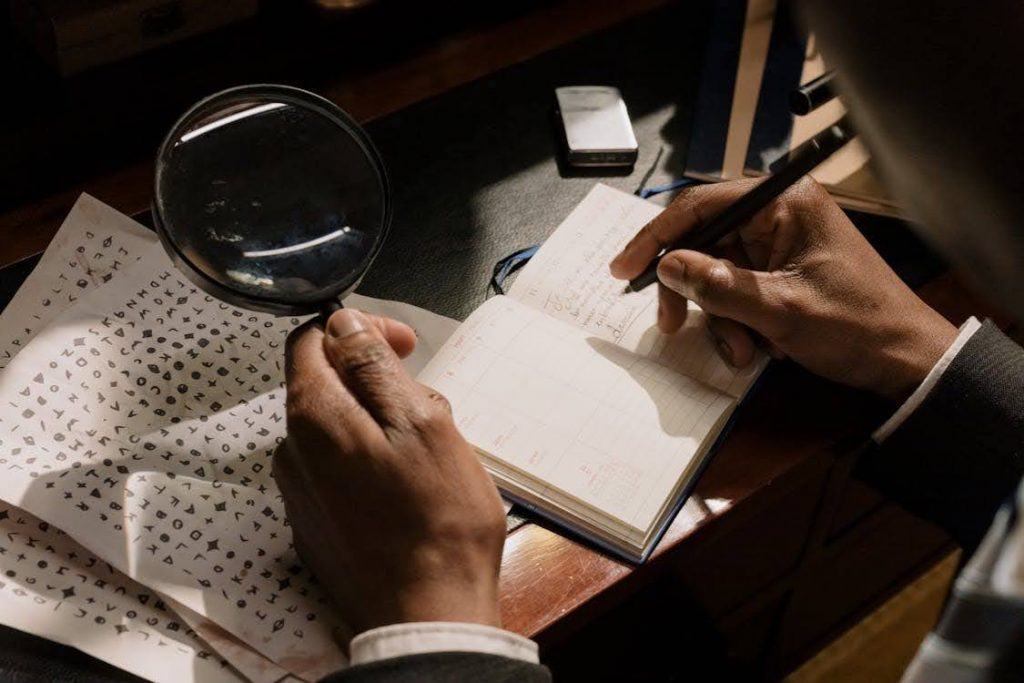
Trust is everything in private investigation. Clients often share deeply personal concerns or sensitive corporate information. Handling these matters discreetly and professionally isn’t just a courtesy, it’s a core ethical obligation.
A good investigator knows how to protect identities, store data securely, and avoid disclosing information that isn’t legally required. Discretion also means knowing what not to say in public or casual settings, especially when discussing active cases.
This is one of the private investigator skills that can’t always be taught. It’s a reflection of character, and it makes a strong difference in the reputation and long-term credibility of a PI.
Technological Proficiency
Modern investigations rely on more than just intuition, they require tools. From GPS tracking and surveillance cameras to database software and digital forensics, today’s investigators must be tech-savvy and adaptable.
Understanding how to operate and troubleshoot equipment, analyse digital footprints, and handle electronic evidence is increasingly important. Cases now often involve mobile phone analysis, social media research, or video surveillance, and the ability to handle these tasks competently is essential.
For an effective private investigator, staying current with technology isn’t just an advantage, it’s a requirement.
Specialized Skills That Set Investigators Apart

While core skills form the foundation of private investigation, the most respected professionals stand out because of their specialized strengths. These abilities go beyond the basics and often determine how well an investigator performs in complex or high-pressure situations. They also reflect deeper professional maturity and versatility.
Photography and Report Writing
Clear visual documentation can be a deciding factor in whether a case proceeds or stalls. That’s why knowing how to capture usable, time-stamped photographs and video is one of the practical skills of a private investigator. But taking the shot is only half the job.
Equally important is the report that follows. A well-structured, objective, and readable report helps clients and legal teams understand what was observed and when. The best investigators can translate hours of footage and observation into a concise, legally sound summary that holds weight in official proceedings.
Analytical Thinking
Private investigation isn’t just about watching, it’s about interpreting. Strong analytical thinking allows investigators to take scattered data points and connect them into a meaningful narrative. Whether it’s comparing patterns of behaviour or identifying contradictions in a testimony, this skill separates passive observation from active intelligence gathering.
This is one of the qualities of a good investigator that becomes more valuable over time, especially when dealing with ambiguous or misleading cases.
Patience and Perseverance
Investigations don’t always wrap up neatly. Some require days or weeks of surveillance with no major developments. Others might hit dead ends that need to be worked around creatively.
This is where patience and perseverance come in. Rather than rushing to conclusions or forcing results, an effective private investigator maintains discipline, knowing that timing and consistency often yield better evidence than speed.
Adaptability
No two investigations are exactly the same. An investigator might need to shift from following a subject through crowded areas one day to reviewing online activity the next. Unpredictability is part of the job.
Adaptability means being able to adjust your approach without compromising the integrity of the investigation. Whether it’s dealing with uncooperative witnesses or sudden changes in a client’s objectives, flexibility allows a private investigator to remain effective in fluid situations.
Experience and Expertise
Some private investigator qualities only come with time. Field-tested instincts, familiarity with various case types, and the ability to make fast, informed decisions are hallmarks of experience.
In more complex cases, having a background in niche areas, such as fraud, infidelity, or missing persons, can give investigators a major advantage. Those who have worked under mentors or specialised in certain domains often bring sharper insight and reliability to their work.
Integrity and Professionalism
A private investigator’s credibility is one of their most valuable assets. Acting ethically, maintaining confidentiality, and handling each case with respect builds long-term trust. It also influences how seriously their findings are taken in legal or corporate environments.
Integrity isn’t just about following the law; it’s about doing the right thing even when shortcuts might seem easier. Professionalism reinforces that standard in every client interaction and decision made in the field.
Problem-Solving Skills
Investigative work is rarely straightforward. Routes get blocked, subjects change behaviour, and evidence isn’t always where you expect it to be. That’s why creative problem-solving is one of the most relied-upon private investigator skills in active cases.
This includes thinking on your feet, testing alternative approaches, and using available tools in unconventional but legal ways. The ability to stay calm and find solutions when the path forward isn’t obvious often defines an investigator’s success.
Emerging Competencies to Stay Ahead

Private investigation is evolving. As laws shift, technology advances, and social norms change, modern investigators must develop new competencies to stay effective.
These emerging skills may not always be listed in job descriptions, but they’re often what separates good investigators from great ones. They reflect the ability to adapt, evolve, and operate at a higher level of professionalism.
Emotional Intelligence
Whether interviewing a distressed client or observing subtle cues during surveillance, emotional intelligence plays a bigger role than many expect. A private investigator with strong emotional awareness can read body language, tone, and behavioural inconsistencies with more accuracy.
Just as importantly, they know how to manage their own reactions and remain composed in tense or emotional situations. This helps maintain objectivity and professionalism throughout the investigation.
Physical Fitness And Stamina
Long hours spent following a subject or sitting in surveillance positions can take a physical toll. Physical fitness isn’t about athletic performance, it’s about endurance, alertness, and the ability to stay focused during extended operations. Being mobile and able to react quickly when circumstances change can improve the quality of evidence gathered and help avoid detection.
Cultural Competence
In a diverse environment, understanding cultural nuances is critical. Cultural competence helps private investigators interpret behaviours, communicate respectfully, and avoid misjudgments that may affect the direction of an investigation. Recognising social norms and adapting to different backgrounds ensures more accurate observations and reduces the risk of alienating witnesses or misreading important cues.
Networking And Relationship Building
Successful investigations often hinge on access, whether that’s to information, locations, or people. Building and maintaining a trusted network of contacts, informants, or collaborators can provide insights that tools and databases alone can’t offer. Knowing how to approach sources discreetly and professionally is one of the lesser-known but highly valuable private investigator skills.
Continuous Learning And Professional Development
The work doesn’t end with certification. Laws, investigative tools, and surveillance technology are always changing. Investigators who commit to ongoing learning, through courses, workshops, or field training, remain sharper, more compliant, and more competitive.
This also builds credibility with clients who expect up-to-date knowledge in their case handling.
Time Management And Organization
Balancing multiple cases or leads at once requires structure. From logging evidence to scheduling stakeouts, a private investigator’s ability to stay organised can directly affect outcomes. Poor time management may lead to missed opportunities or gaps in documentation, while strong organisation helps maintain clarity, efficiency, and professionalism from start to finish.
Risk Assessment And Management
Every case carries some level of risk, to the investigator, the client, or third parties. Whether it’s legal exposure, physical danger, or reputational harm, understanding how to identify and mitigate risks is part of modern investigative work.
A thoughtful approach to risk management ensures that investigations remain ethical, lawful, and safe for everyone involved.
Conclusion On Private Investigator Qualities
Becoming an effective private investigator isn’t about mastering one standout ability, it’s about developing a balanced mix of skills, from sharp observation and legal awareness to emotional intelligence and adaptability. The best investigators know how to combine their strengths and stay disciplined across all stages of a case.
For those considering a career in private investigation or looking to improve their current practice, the key is consistent, deliberate growth. Focus on building the skills of a private investigator that align with your strengths, but also challenge yourself to develop new ones that keep you agile and relevant in a changing environment.
If you’re someone looking to hire a private investigator that is a trusted, discreet, and highly professional, whether for personal or legal reasons, reach out to CatchCheating. Their team brings both experience and precision to every case, helping clients get the answers they need with the respect and confidentiality they deserve.
Frequently Asked Questions About The Qualities Of A Private Investigator
Can A Private Investigator Follow Someone Without Their Knowledge?
Yes, as long as it is done in public places and in accordance with the law. Private investigators cannot trespass or invade private property to follow someone.
Will The Evidence Collected Be Usable In Court?
If gathered legally, evidence such as photos, videos, and documented observations may be admissible in legal proceedings. Always ensure the investigator is licensed and follows proper procedures.
How Long Does A Typical Investigation Take?
The duration varies depending on the complexity of the case. Some may take a few days, while others involving long-term surveillance or background checks may extend over weeks.
Is Everything I Share With The Investigator Kept Confidential?
Yes, confidentiality is a core part of a private investigator’s professional code. Your personal details and case information should never be disclosed without your permission.
Can I Hire A Private Investigator Just To Confirm My Suspicions?
Yes, many people hire investigators for peace of mind or to clarify concerns before taking further steps. A PI provides objective findings that can either confirm or dispel your doubts.
Do Investigators Only Handle Cheating Spouse Cases?
No, private investigators also handle a wide range of cases, including employee misconduct, fraud investigations, missing persons, and background verification. CatchCheating, for example, specialises in relationship investigations but also offers broader services.